Wiper seal selection for dusty and outdoor environments.
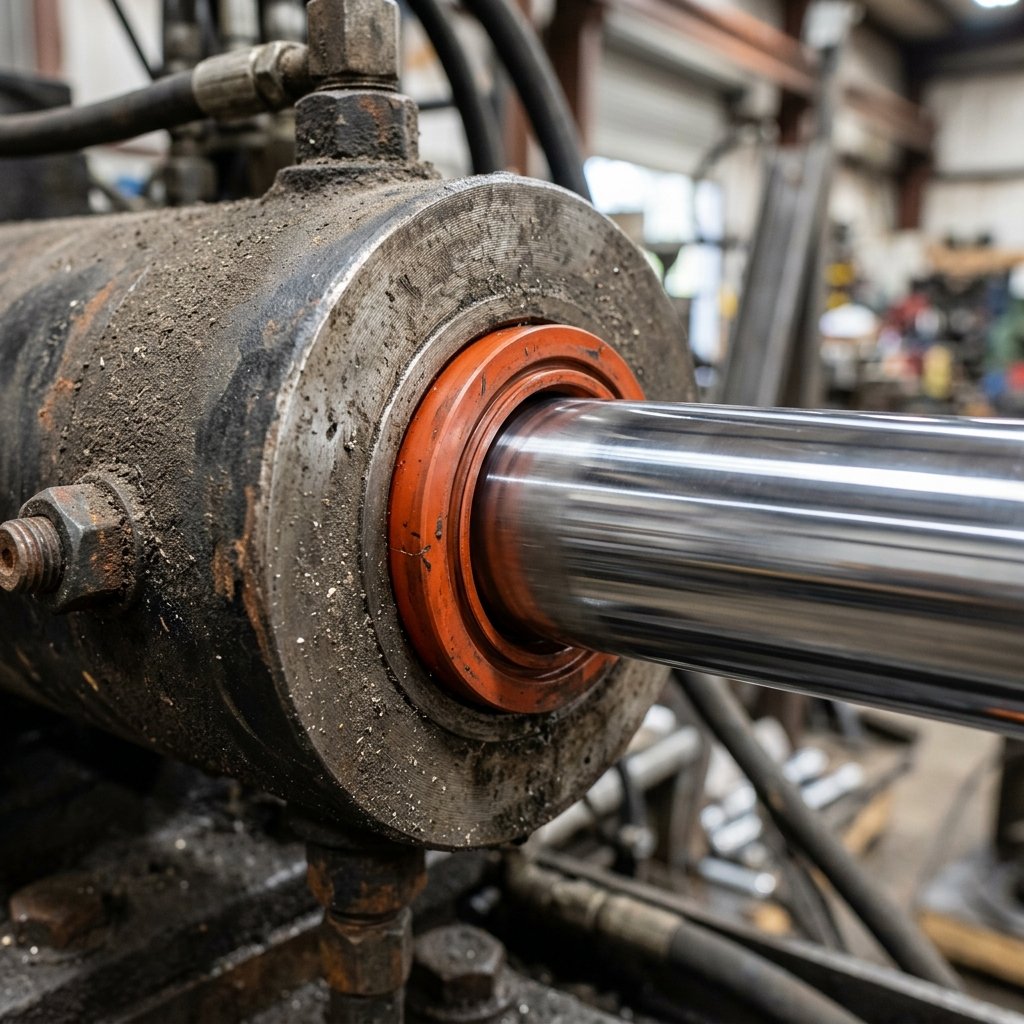
The wiper seal is the first line of defence at the rod entry, and it's also the component most maintenance teams underspecify. Get it wrong and contaminants ride past on the rod's return stroke, where they go on to damage the rod seal, the bushing, and eventually the bore. Here's what should actually drive the selection.
Match the wiper to the contaminant, not the cylinder
Fine airborne dust, coarse grit, mud, and chemical splash all demand different lip geometries and materials. A single-lip wiper rated for general dust ingress will not hold back the slurry and grit common on earthmoving or quarry equipment, where a heavier-duty double-lip or metal-cased design is usually the right call.
Duty cycle changes the wear curve
A cylinder cycling continuously wears its wiper faster than one with intermittent strokes, even under identical contamination. High-cycle applications benefit from harder, more wear-resistant compounds, even where the contamination load itself is moderate.
Outdoor exposure adds UV and temperature swing
Wipers exposed to direct sun and wide daily temperature swings need materials that resist UV degradation and hardening over time. A wiper that performs well indoors can crack and lose sealing force within a season once it's exposed outdoors.
Rod finish still matters here too
A wiper can only scrape off what it can physically reach, and a pitted or corroded rod surface gives contaminants somewhere to hide, passing the wiper lip on every stroke. In corrosive or marine environments, pairing the wiper upgrade with a hard chrome or ceramic-coated rod often delivers a bigger improvement than the seal change alone.
Double wipers for severe-duty applications
Where contamination is heavy and unpredictable, a two-stage wiper arrangement, a coarse outer lip backed by a finer inner lip, gives meaningfully better protection than a single lip, at modest additional cost.
If you're seeing repeated rod seal failures alongside visible scoring on the rod, the wiper is worth investigating before the rod seal itself. Tell us your environment, contaminant type, and duty cycle, and we'll match a profile and material that's actually built for it.